
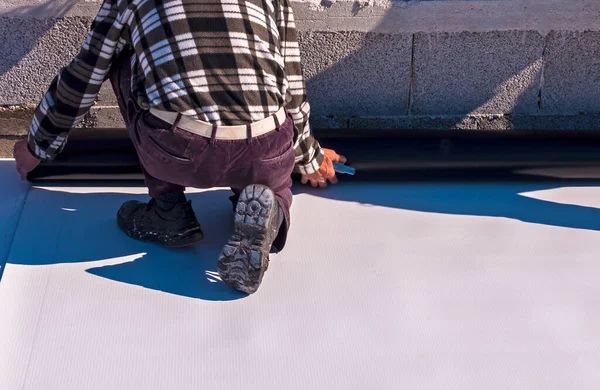
A TPO roof can last up to 30 years if it is properly installed and maintained. However, like all roofing materials it is susceptible to damage.
Whether your TPO roof is leaking or showing signs of age there are ways to repair it without a costly replacement. These five tips will help you keep your TPO roof in good condition for years to come. Explore the TPO roof definition and effective repair techniques in this comprehensive guide.
1. Clean the Roof
TPO (thermoplastic polyolefin) is a single-ply white membrane that is used in both commercial and residential roofing. It is known for its energy efficiency, durability, and low cost. TPO is designed to combat heat by reflecting it rather than absorbing it.
Despite being durable, TPO will degrade over time and may need repair. This is usually due to seam issues that cause water to infiltrate the insulation and eventually make its way into your building.
Damage can be caused by many things, including sharp objects dropped onto the roof from above. The sharp edges can puncture the TPO sheets, causing leaks. Other factors that can cause damage include improper installation, lack of heat welding during installation, or aging of the material. Identifying the source of the problem and calling in a roofing contractor is the first step in getting your TPO repaired.
2. Repair Loose Shingles
If shingles become loose or rotten, they need to be removed and replaced. This will prevent water leaks and protect the underlying membrane.
Whether it’s a moderate or major repair, promptly fixing these punctures helps prevent damage to the membrane and further moisture infiltration. Roof inspections are essential to identifying these areas — a physical inspection followed by core samples or infrared scans can help determine the extent of a leak.
To remove a damaged shingle, start by positioning the notched end of a pry bar under the bottom edge of the shingle and pushing upward. This will break the sealant bond between the shingle and the nails holding it in place. Then, slide the pry bar under the shingle directly above and pull out each nail.
3. Repair Damaged Flashing
The flashing protects some of your roof’s most vulnerable seams and edges around chimneys, vent pipes and roof windows. Damaged flashing is a leak waiting to happen.
It’s easy to fix a leaking flashing seam, but you have to find the problem first. This means getting into the attic or crawlspace and following a trail of water stains or deteriorating insulation.
It’s also a good idea to check your flashing regularly, especially if you live in an area that gets lots of rain or snow. Even a small leak over time can cause major problems including rotted framing and sheathing, destroyed insulation and stained ceilings. This is why regular inspections by a professional are so important. During these inspections the professionals can catch small problems before they become major ones.
4. Repair Damaged Gutters
A gutter system diverts rain and melting snow away from the siding and foundation of your home. But if the gutters are damaged, they can leak, cause the roof to sag or clog with debris, leading to all kinds of problems.
Gutter cracks and holes develop when the sections of gutter screw together and wear down, or because of rust. They can be repaired with glues or sealants designed for durable bonding in outdoor conditions.
Begin by cleaning the gutter of debris and applying a waterproof sealant to any visible cracks or holes. If there are only localized areas of damage, it may be wise to replace these specific sections rather than the whole gutter. Use a caulking gun to apply the sealant, following package directions for drying times.
5. Repair Damaged Flashing
As with any roof, TPO can suffer punctures and leaks. Sharp objects from flying debris or dropped tools can penetrate the membrane creating a hole for water to enter the insulation.
Similarly, the heat welded seams can separate. This is usually caused by a poor installation or aging of the chemical bond. If you can locate the original roofing contractor you may be able to claim under their workmanship warranty for this type of damage.
When damage occurs to a TPO roof it is essential that you have the area inspected by a professional roofing contractor. This will entail a physical inspection as well as pulling core samples to determine how much of the insulation is saturated. Damage involving less than 5% of the insulation is often easily repaired by a qualified roofing contractor.

