
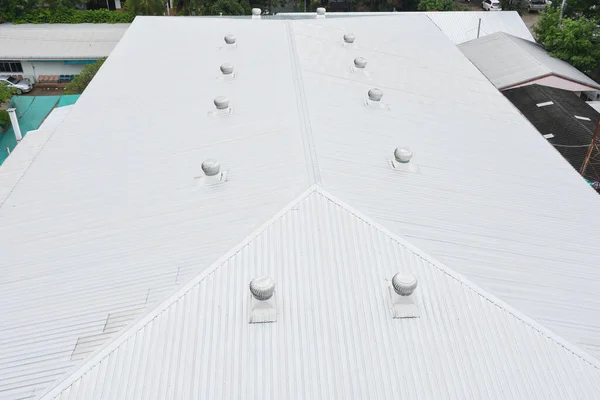
Industrial properties frequently have maintenance workers accessing the roof for equipment installation, repairs and general cleaning this foot traffic can damage certain types of roof membranes.
A proactive maintenance program can prevent these issues from developing and save the building owner money. Follow these ten industrial roofing maintenance tips to extend the life of your commercial or industrial roof. Secure your industrial investment with expert industrial roofing contractors.
1. Hire a Professional
Many roofs see a lot of foot traffic from workers servicing equipment or doing repairs this can damage the surface and lead to leaks. Limiting access to the roof to just those professionals servicing equipment is an easy way to prevent this damage.
During repair work, commercial roofing contractors can also install a waterproof membrane this protects the structure from water leakage and helps to hit energy efficiency goals.
The contractor can also clean the substrate to allow the liquid-applied membrane to adhere well they can also apply a specialist primer to stop corrosion this is especially important around fixtures, bolts and overlap areas where corrosion typically starts.
2. Regular Inspections
Inspecting industrial buildings is an important part of property maintenance. Keeping up with these inspections ensures that minor issues are repaired quickly before they grow into major problems this helps protect the investment in a building, reduces downtime, prevents mold growth and minimizes interior damage.
In addition, regular roof assessments help preserve a roof’s value, ensure compliance with regulations, improve energy efficiency, detect leaks early and boost insurance coverage. Investing in routine roof assessments is one of the best ways to maintain an industrial building’s integrity.
Regular inspections also include drain cleaning to remove leaves and debris from drains this prevents clogs which can lead to structural damage.
3. Invest in a Leak Detection System
A leaking roof can cause serious damage excess moisture can lead to rust and corrosion while mold and mildew can pose health risks for occupants. Additionally, a leaky roof can lead to water infiltration, contaminating raw materials or inventory and damaging machinery.
Detecting and fixing leaks early on is the best way to prevent further deterioration and costly repairs. A professional leak detection scan will help you find the source of the problem without any invasive exploratory work.
Usually, leaks can be identified by a damp area or dripping water in the ceiling. However, it can be tricky to pinpoint the exact location of a leak.
4. Clean Your Roof Regularly
One of the most basic things you can do to extend the lifespan of your roof is to clean it regularly this removes dirt that can clog drains and prevent the growth of moss or algae that can damage your roof.
Moss and algae attack the protective layers of roofing material, causing them to deteriorate and leaving your roof exposed to moisture damage. This can cause leaks that can damage your building’s interior. In addition, cleaning the roof regularly ensures that gutters and drainage systems are not blocked by debris and that standing water is not accumulating. This will help to prevent costly problems in the future.
5. Don’t Ignore Punctures
Industrial roofs are designed to last a long time but they must be maintained properly to keep them in good shape. Punctures on a commercial roof can allow water to seep in, which can damage the membrane and underlying structures. This can lead to mold growth and structural damage.
Many punctures are caused by careless behavior on the part of the people who work on the roof. Painters, window washers, and repair professionals can all cause problems by kicking base flashings, dragging equipment across the roof, or walking on the membrane.
This type of damage can be prevented by keeping workers on the roof in a limited area and making sure they are using protective equipment. Regular inspections can identify these problems before they become severe.
6. Install a Drainage System
Proper drainage is essential for preventing ponding water, corrosion, and vegetation growth. Installing a system to ensure that your roof drains function correctly is the best way to protect your building and prevent costly damage.
Interior drains are installed at points on the roof that collect the most water and lead it into a pipe system that shuttles the water away. They can also be used in conjunction with scupper systems. Downspouts and gutters are another way to control the flow of water off a roof. They can be directed to a drain or a cistern to provide irrigation for a building’s landscape.

